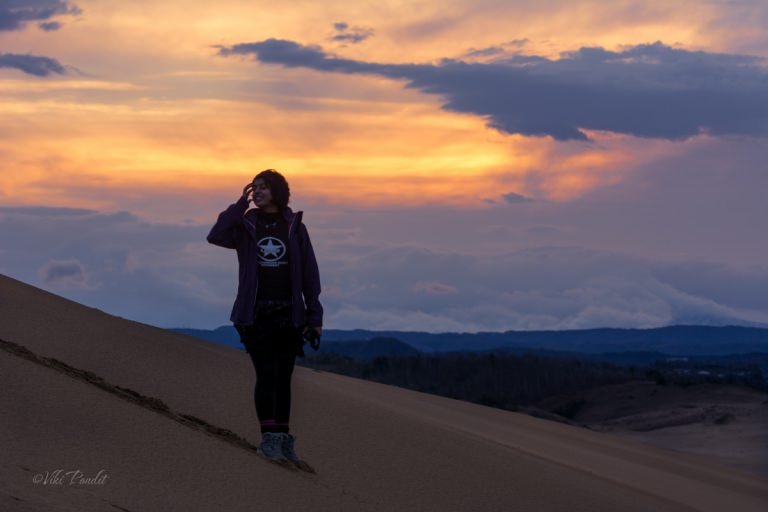

When most travelers imagine the Japanese landscape, they picture cedar forests climbing misty mountains, quiet temple gardens, and neon-lit city streets that seem to stretch endlessly into the night. Deserts rarely enter the imagination. Yet along the windswept coast of Tottori Prefecture, facing the restless waters of the Sea of Japan, lies one of the country’s most unexpected landscapes: the Tottori Sand Dunes.
Stretching for kilometers along the coast, these dunes form the largest sand dune system in Japan. Sculpted by wind and sea over thousands of years, the terrain looks more like something from the Middle East than from a country famous for cherry blossoms and bamboo groves.
On a quiet morning, we set out to explore this strange and beautiful corner of Japan.
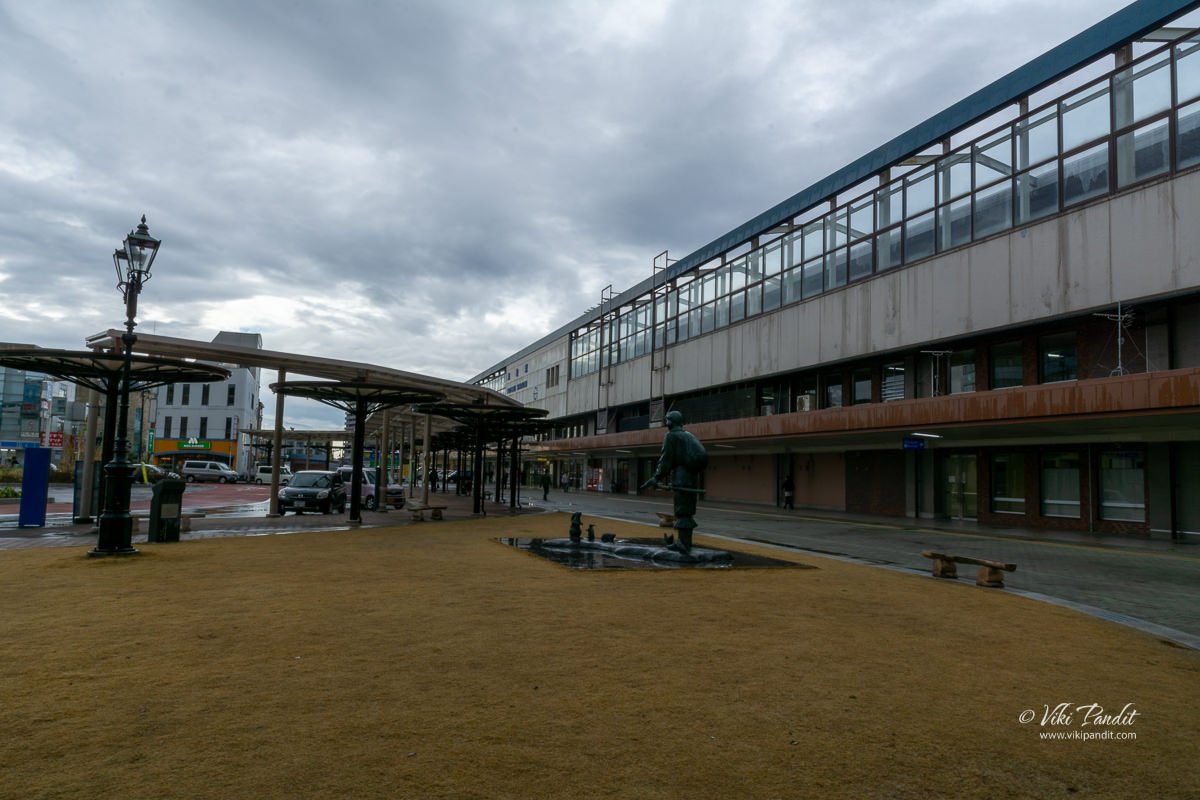
JR Tottori Station
Our journey begins quietly at JR Tottori Station, the modest gateway to the capital city of Tottori Prefecture. Unlike the sprawling stations of Tokyo or Osaka, Tottori Station has a much calmer rhythm. Commuters move at an unhurried pace, and the streets outside feel spacious and quiet. The rainy weather also added to the desolate atmosphere at the station. There is something comforting about arriving in smaller Japanese cities. The rhythm of life slows down, and even a short walk feels like an introduction to the town itself.
From here, the dunes are only a short ride away. Standing outside the station, it was difficult to imagine that a desert-like landscape waited just a few kilometers down the road.
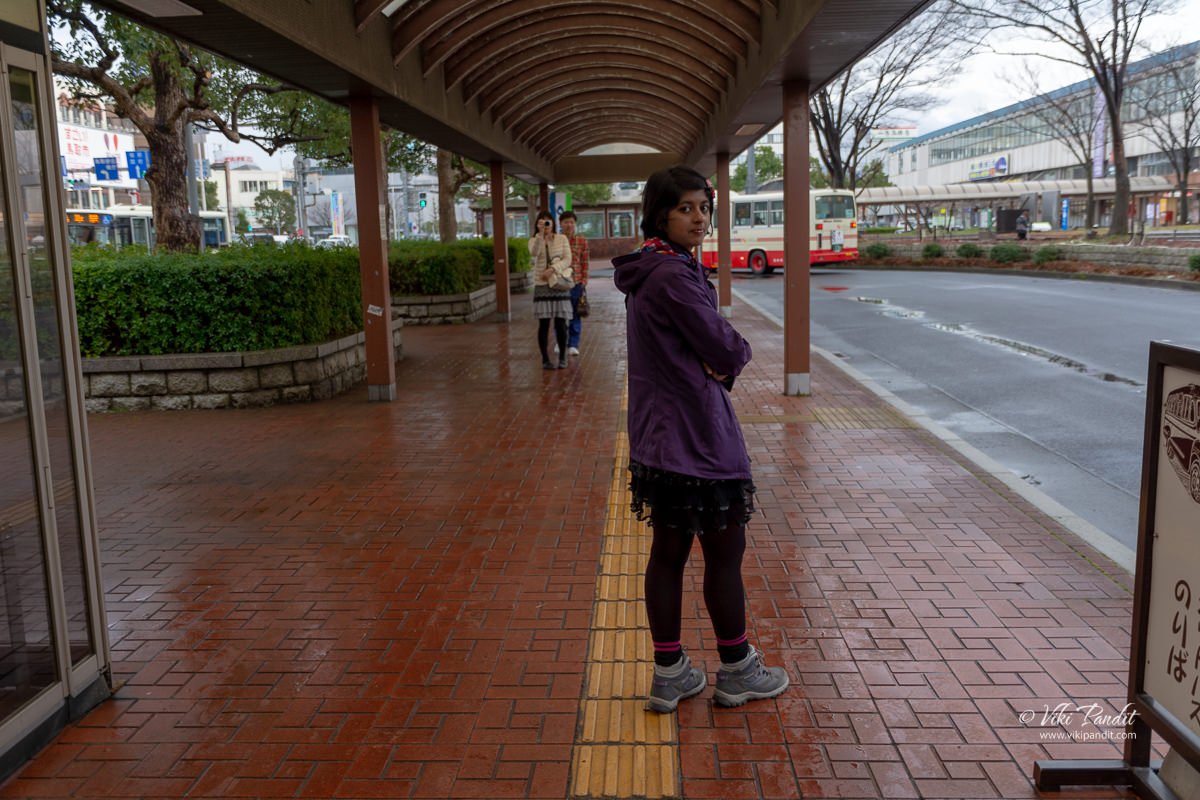
Waiting to catch the bus to Tottori Sand Dunes
A local bus departs from near the station and winds its way toward the coastline. The ride takes around twenty minutes, passing through residential neighborhoods before gradually opening up to wider roads.
As the bus rolls closer to the coast, the scenery becomes quieter. The feeling is less like heading toward a tourist attraction and more like approaching a place shaped primarily by nature.
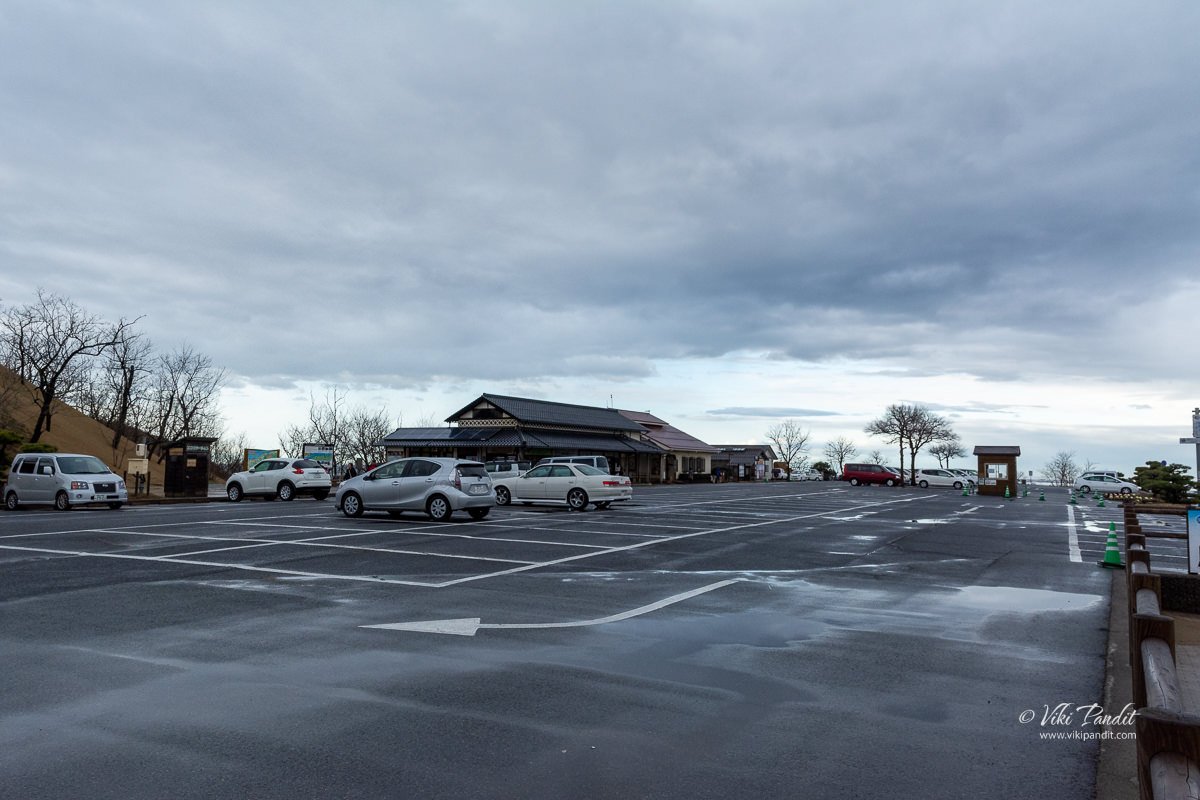
Tottori Sand Dunes Parking Lot
Eventually the bus stopped near a wide open parking area.
At first glance, the surroundings seemed ordinary. A few buildings, a paved area, and the distant sound of the sea. There is no dramatic gateway or towering viewpoint announcing the landscape ahead. Instead, visitors simply walk toward a low rise of sand.
Suddenly, the terrain stretches outward into a vast field of rolling dunes, their shapes sculpted by wind and time. The horizon seems wider here, and the air carries the faint scent of salt from the nearby sea.
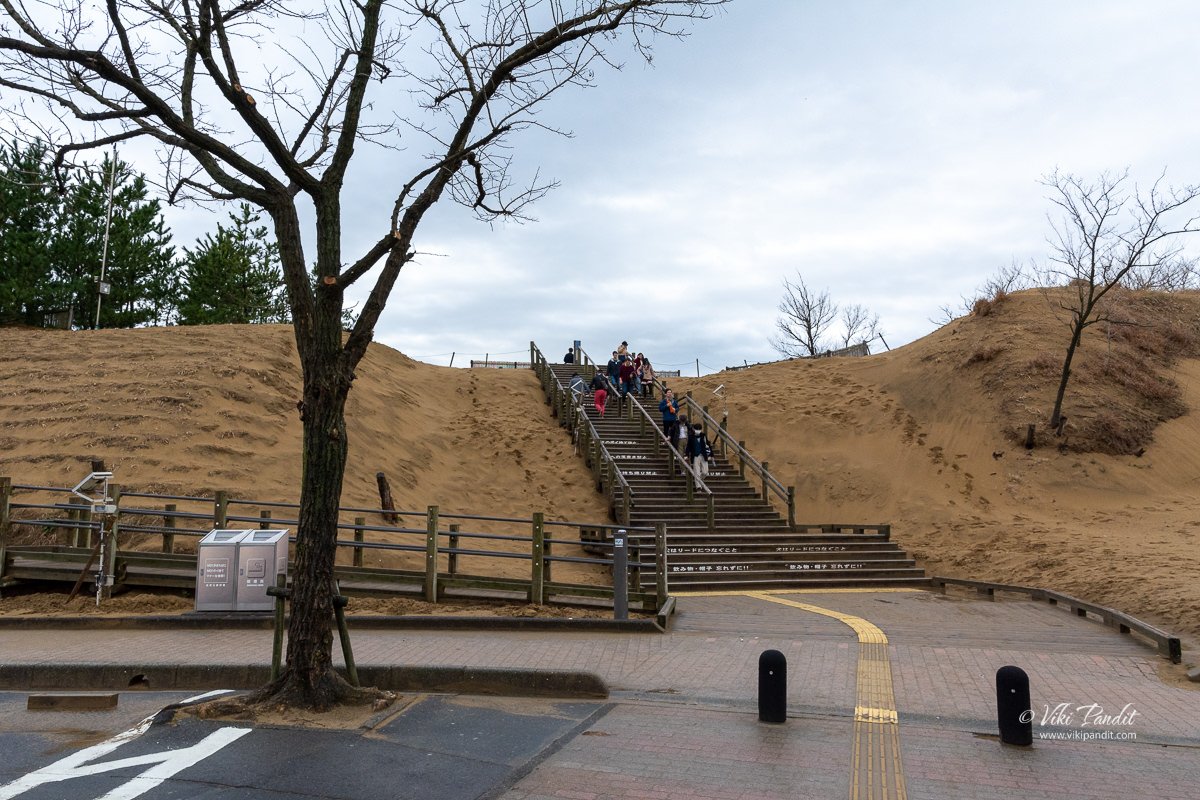
Tottori Sand Dunes Entrance
Stepping onto the dunes felt like entering another world. The sand shifted gently beneath each step, forming delicate ripples carved by the coastal wind. These patterns changed constantly, erased and recreated by nature with each passing day.
Unlike beaches where the sand lies flat and compact, the dunes rise and fall like waves frozen in time.
Walking across them requires patience. Each step sinks slightly, forcing you to slow down and absorb the surroundings. And perhaps that is part of their charm.
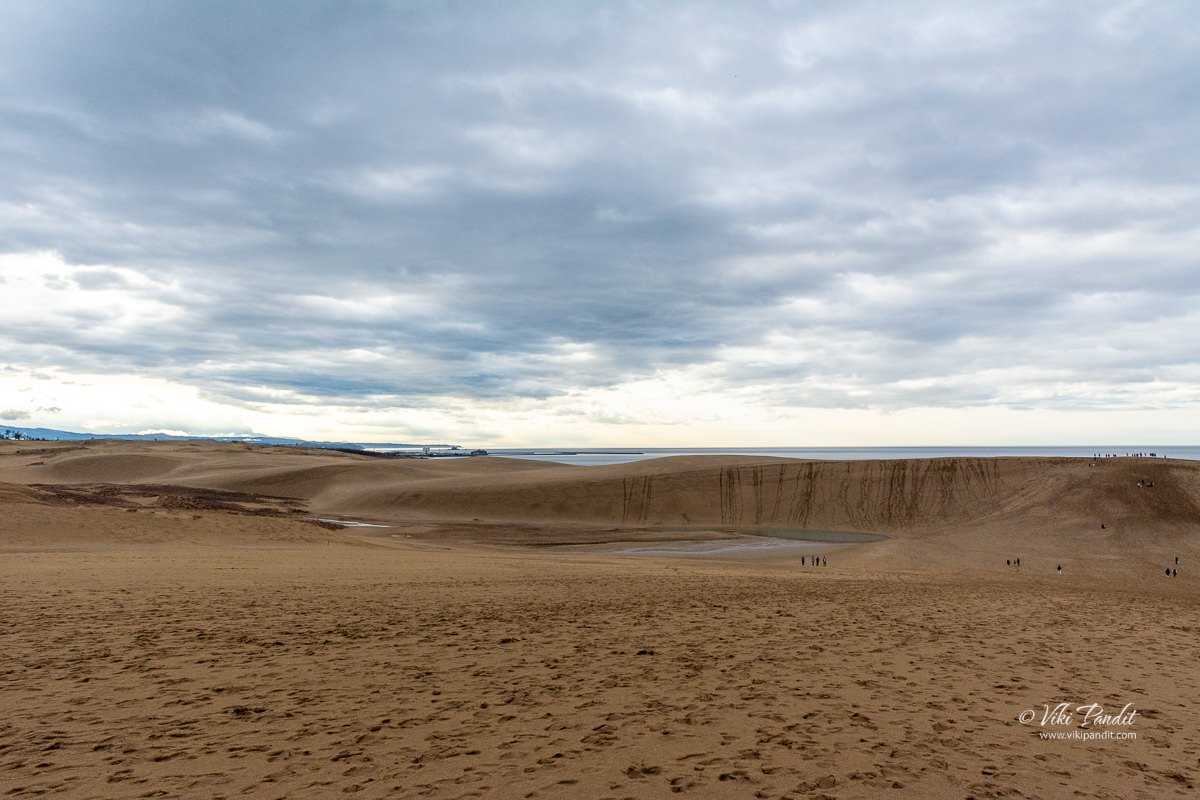
Tottori Sand Dunes
Scattered across the sand were visitors climbing slopes, sliding down ridges, and pausing for photographs. Against the massive landscape, each person looked almost miniature.
Standing there, one could feel the sheer scale of the dunes. The wind carried grains of sand across the surface, creating faint whispers as they moved.
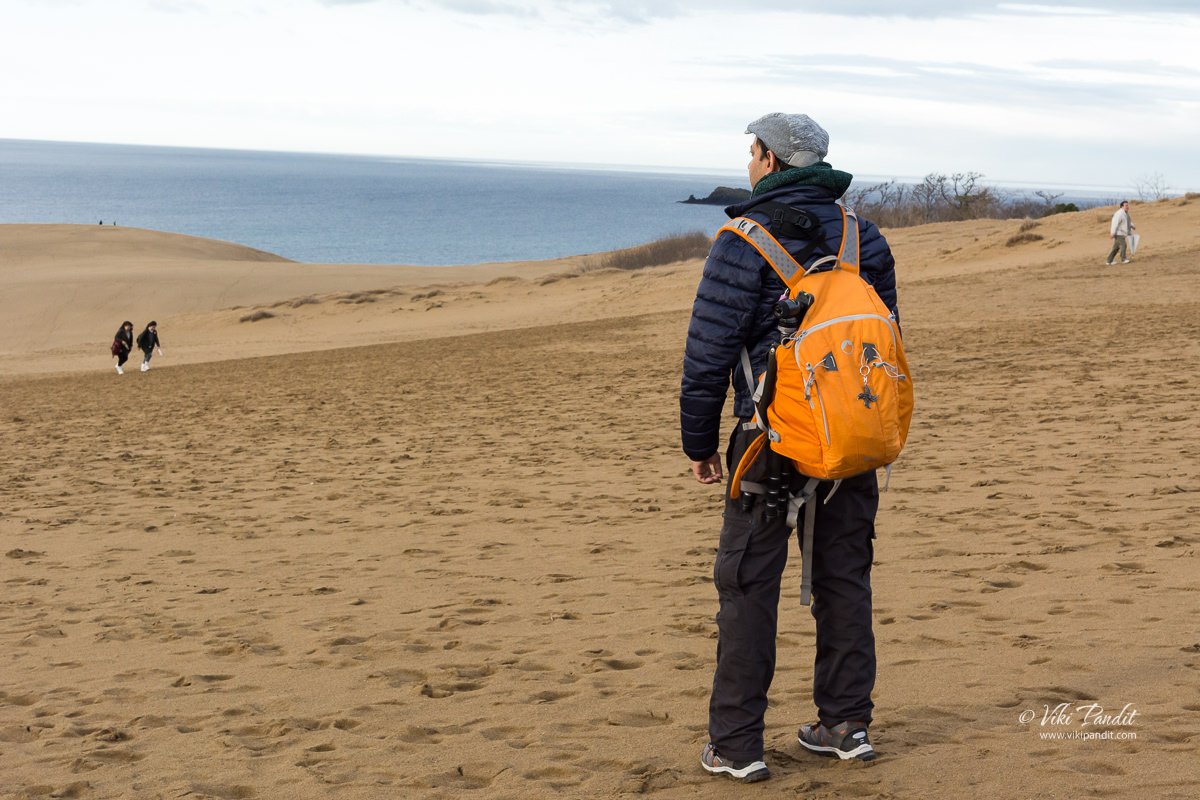
Viki at Tottori Sand Dunes
The most iconic feature of the dunes is the towering ridge known as Umanose, or the Horseback Dune.
From a distance it looks manageable. But as you begin the climb, the steep slope quickly reminds you that sand has a mind of its own.
Each step sinks.
Each step slides back slightly.
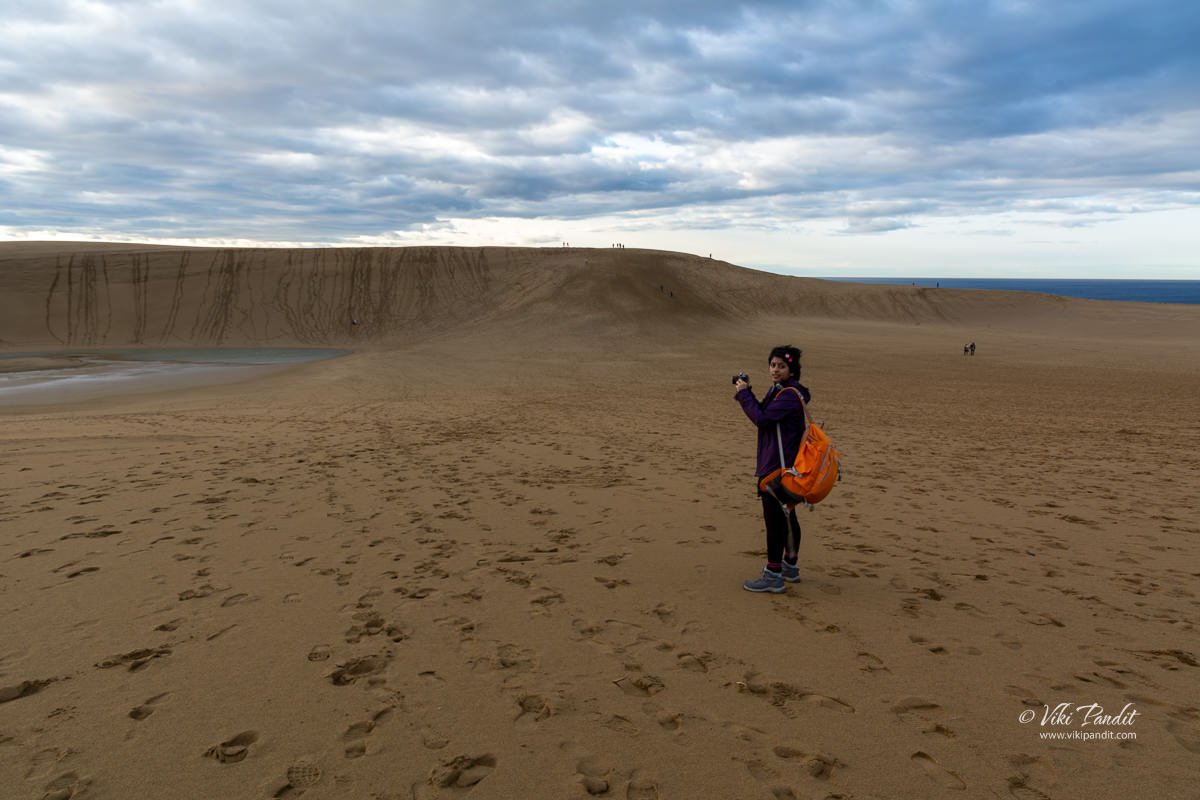
Ranita at Tottori Horse Back Dune
Progress becomes slow but strangely enjoyable.
People climb in zigzag patterns, laughing and catching their breath along the way. It feels less like a hike and more like a playful challenge shared among strangers.
Eventually, the ridge reveals its reward.
Climbing the Horseback Dune
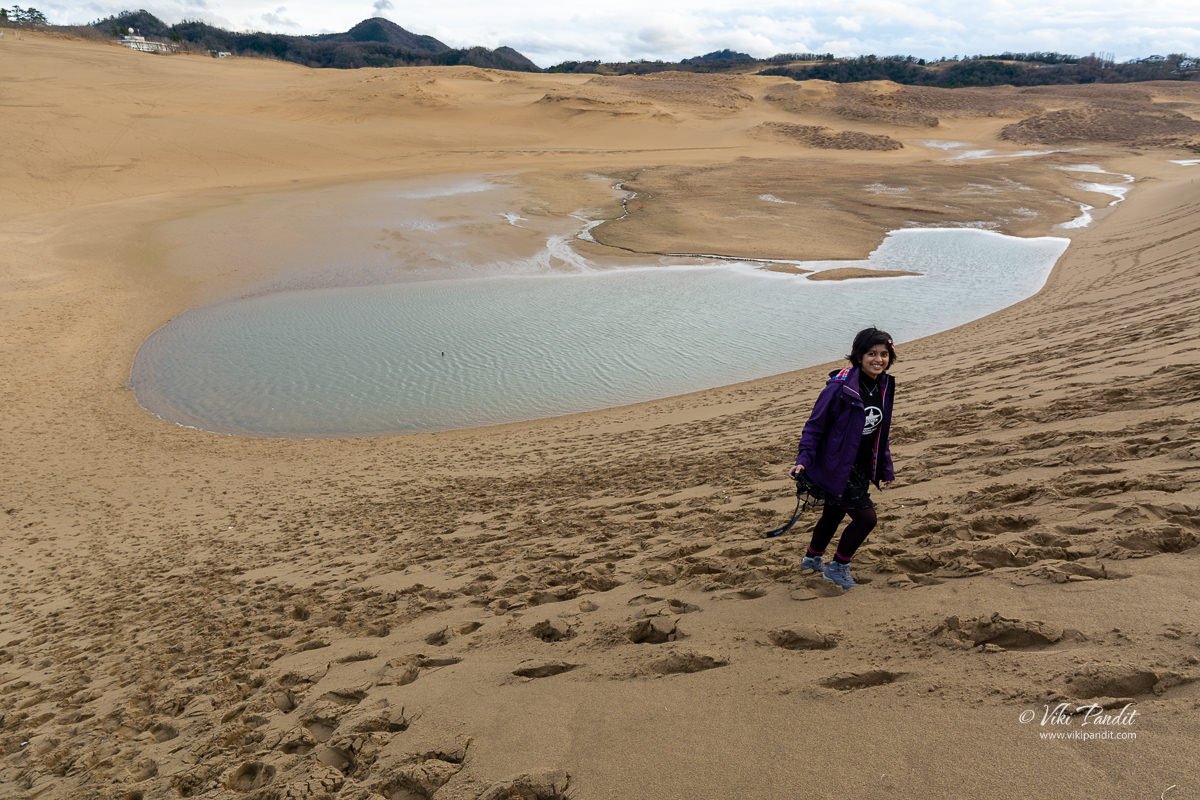
Ranita hiking up Tottori Horse Back Dune
At the top of the ridge, the dunes fall sharply toward the sea.
The Sea of Japan stretches endlessly across the horizon, its deep blue waters contrasting beautifully with the golden sand.
A small island rests quietly offshore, appearing almost like a brushstroke painted onto the seascape.
From this vantage point, the world feels vast and simple.
Just sand. Just sea. Just sky.
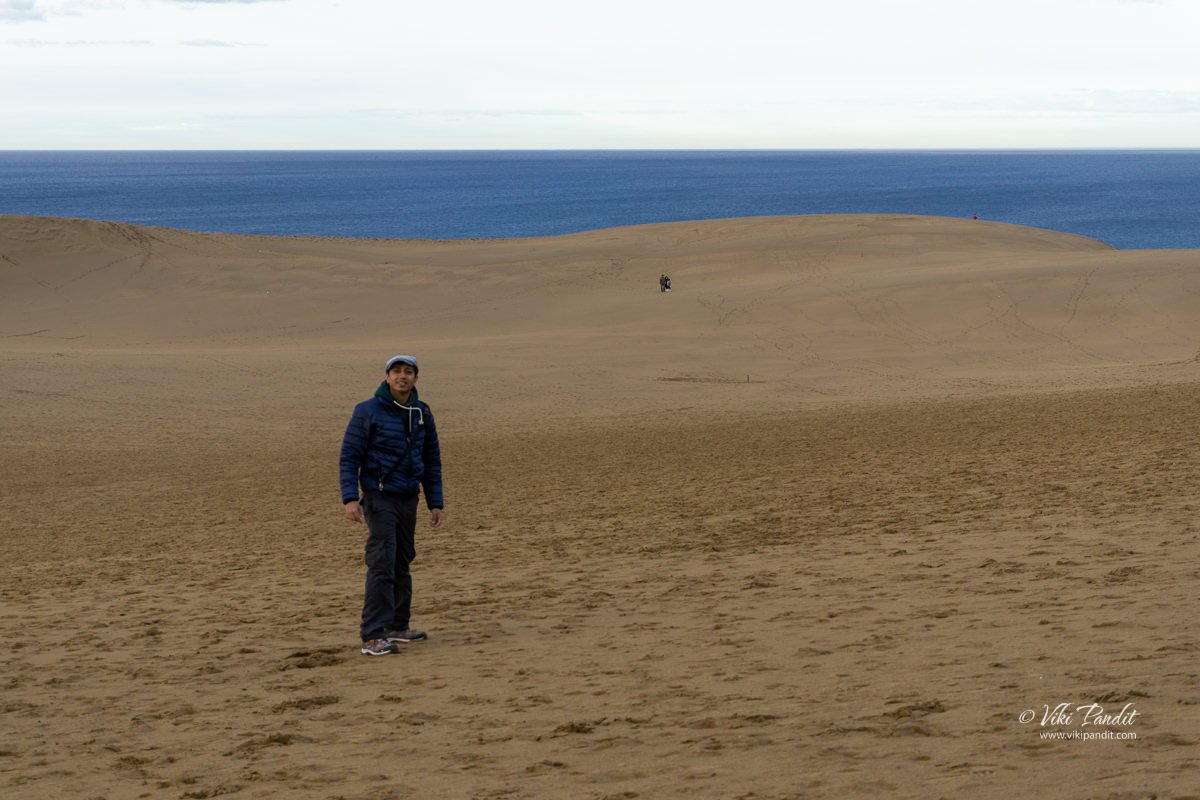
Viki at sand dunes of Tottori
As evening approached, the dunes began to transform.
The light softened, casting longer shadows across the sand ridges. Subtle textures that were invisible earlier in the day suddenly became vivid.
This was the moment photographers wait for.
Tripods appeared along the ridge as people prepared to capture the sunset. Cameras pointed toward the sea, patiently waiting for the light to reach its perfect balance.
Sunset here is not dramatic at first.
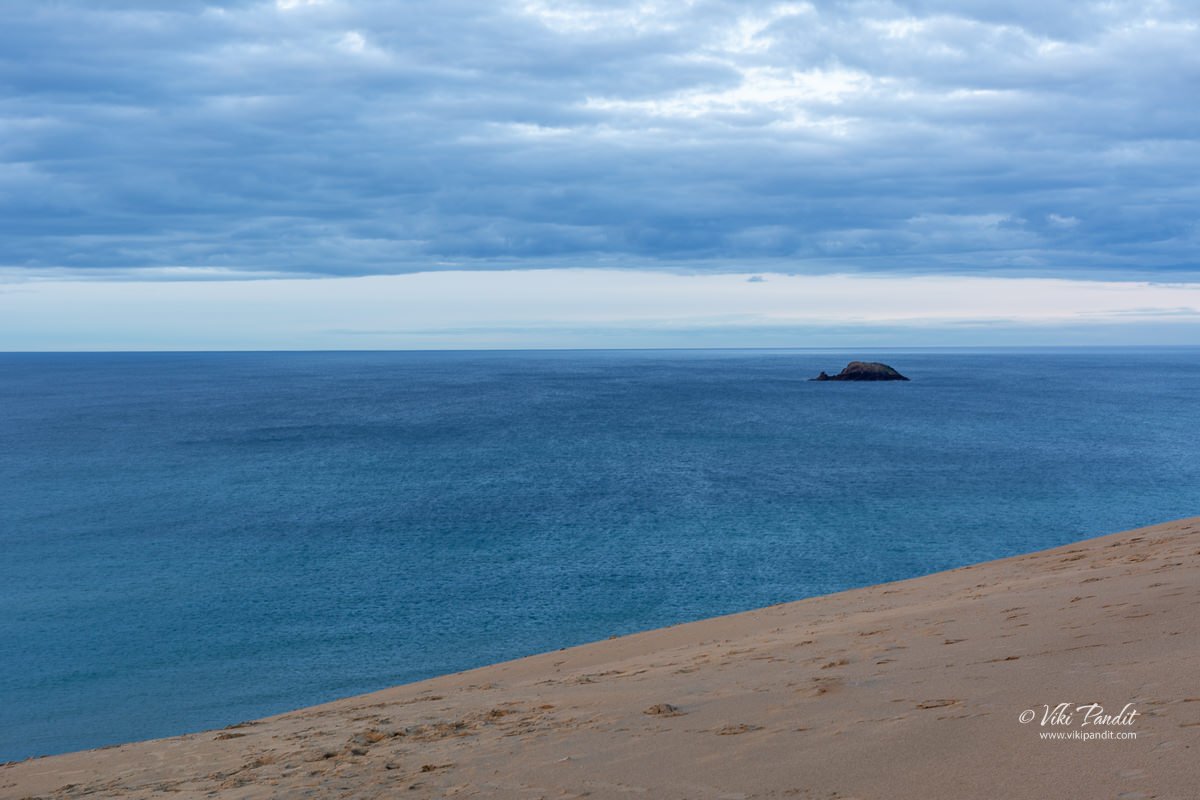
A tiny island off the coast at Tottori Sand Dunes
The sun descended toward the horizon, painting the sand with warm hues of amber and gold.
The ridges glowed softly as the wind continued to reshape the dunes beneath the fading light.
People stood quietly watching the moment unfold.
Some walked along the crest of the ridge.
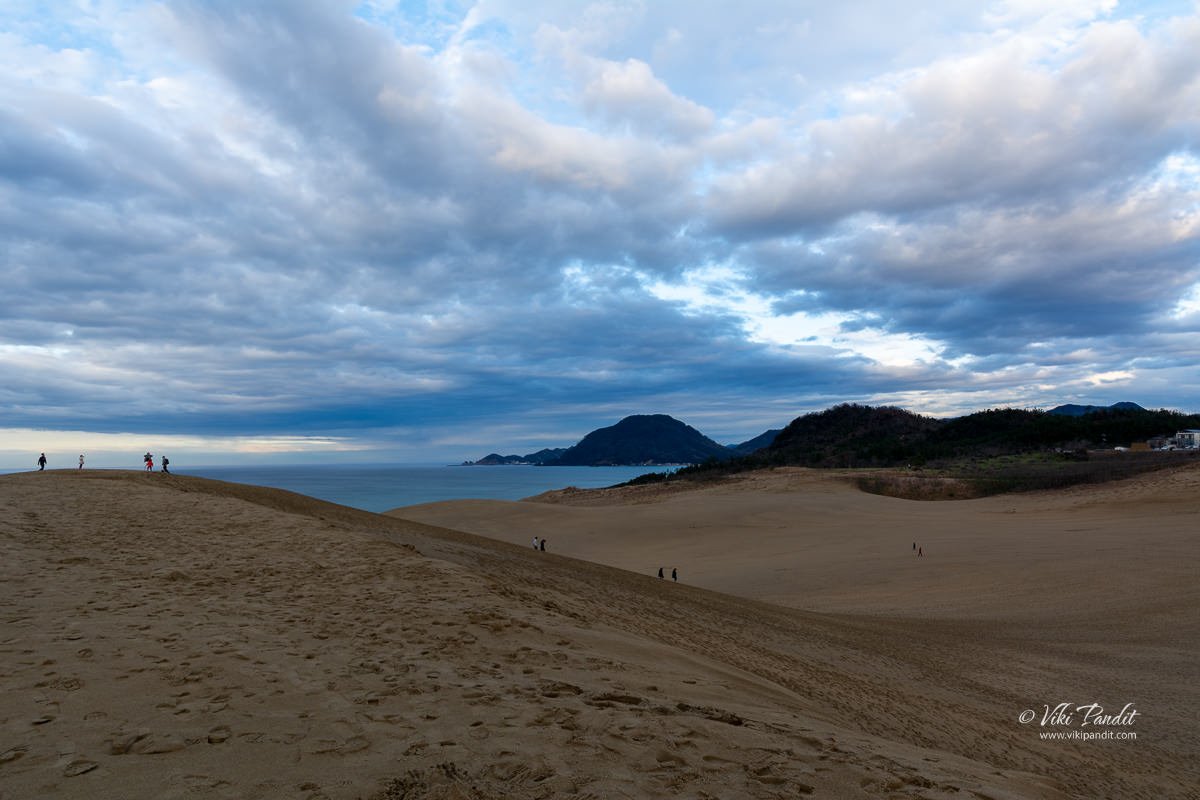
Sea of Japan from Tottori Sand Dunes
Others simply sat in the sand, absorbing the stillness.
It was one of those rare landscapes where silence feels natural.
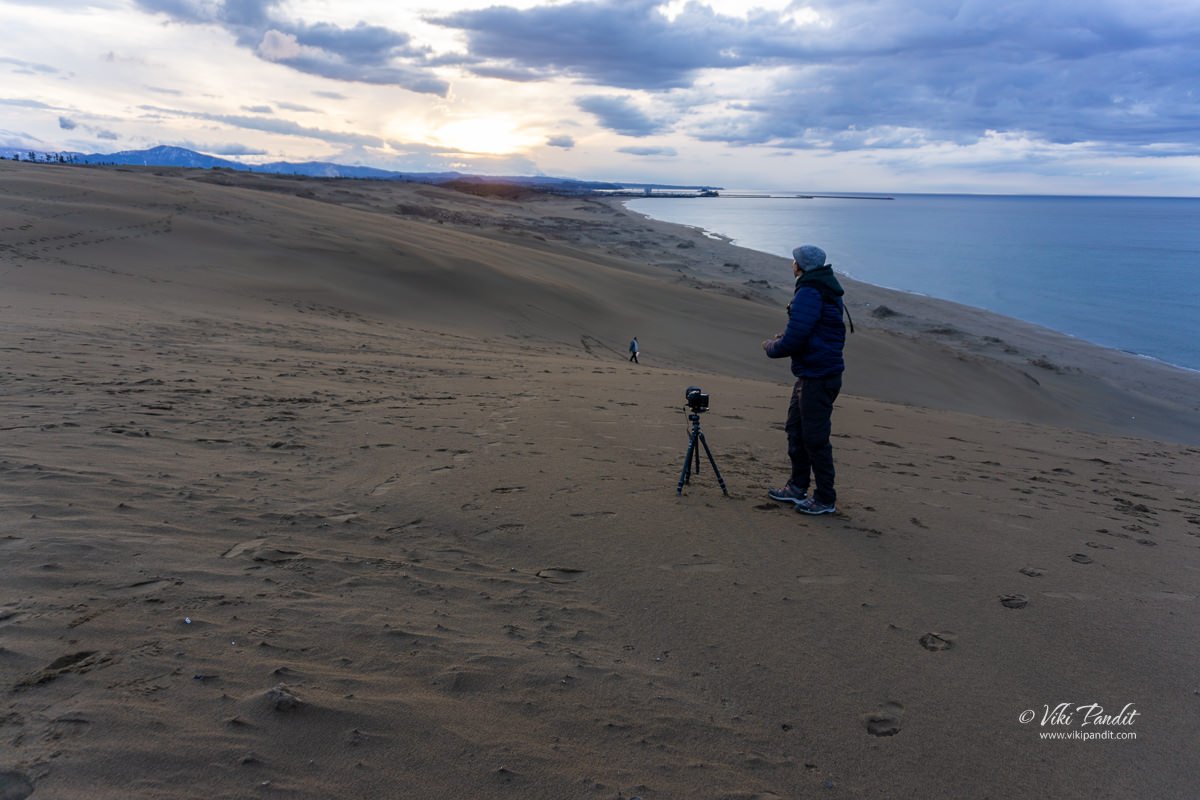
Setting up tripod to capture the sunset at Tottori sand dunes
Sunset at the Tottori Sand Dunes is well known among travelers and photographers alike. The open landscape and unobstructed view of the sea create ideal conditions for watching the sun sink into the horizon.
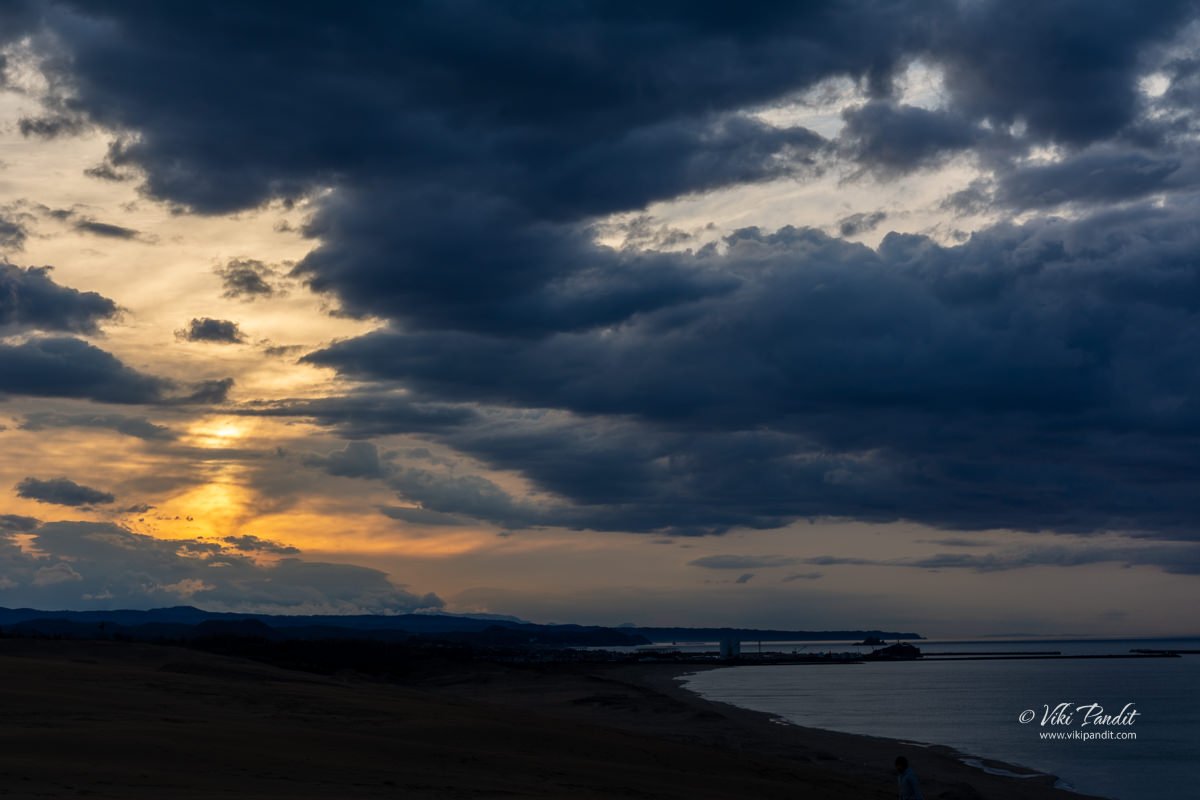
Dusk at Tottori Sand Dunes
The golden colors fade into cool shades of blue and gray as evening settles across the coast. Shadows soften, and the wind begins to feel cooler against the skin.

Ranita lost in the sunset at Tottori Sand Dunes
After the sun disappeared, twilight arrived quickly.
The dunes shifted from gold to muted shades of blue and gray. Shadows deepened, and the wind cooled the air.
Visitors slowly began their descent back toward the entrance. By the time we reach the road, darkness is already creeping across the coastline.
The vast desert-like landscape that had felt alive with movement earlier in the day gradually grew quiet again.
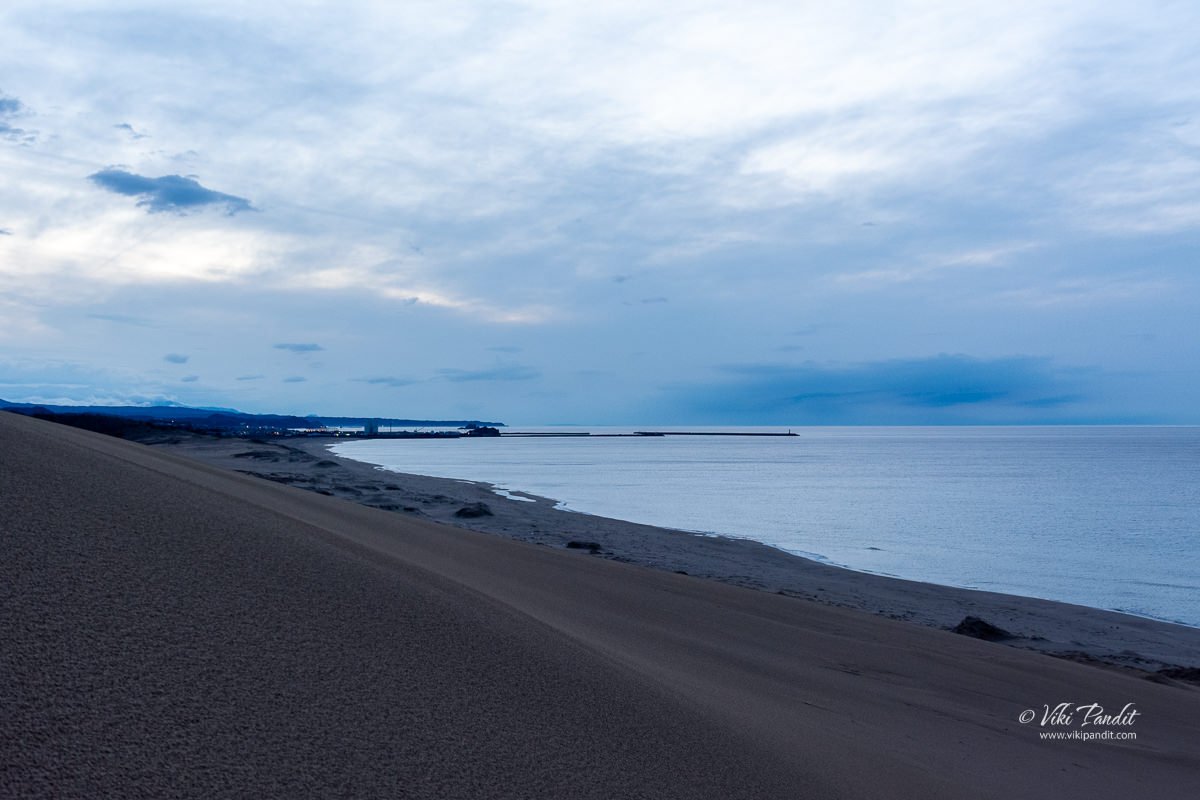
Twilight at Tottori Sand Dunes
Walking back across the sand felt strangely nostalgic, even though only a few hours had passed.
The dunes behind us were already fading into darkness.
Back near the road, travelers brushed sand from their shoes while waiting for the bus back to the city.
The adventure was ending, but the memory of the landscape lingered.
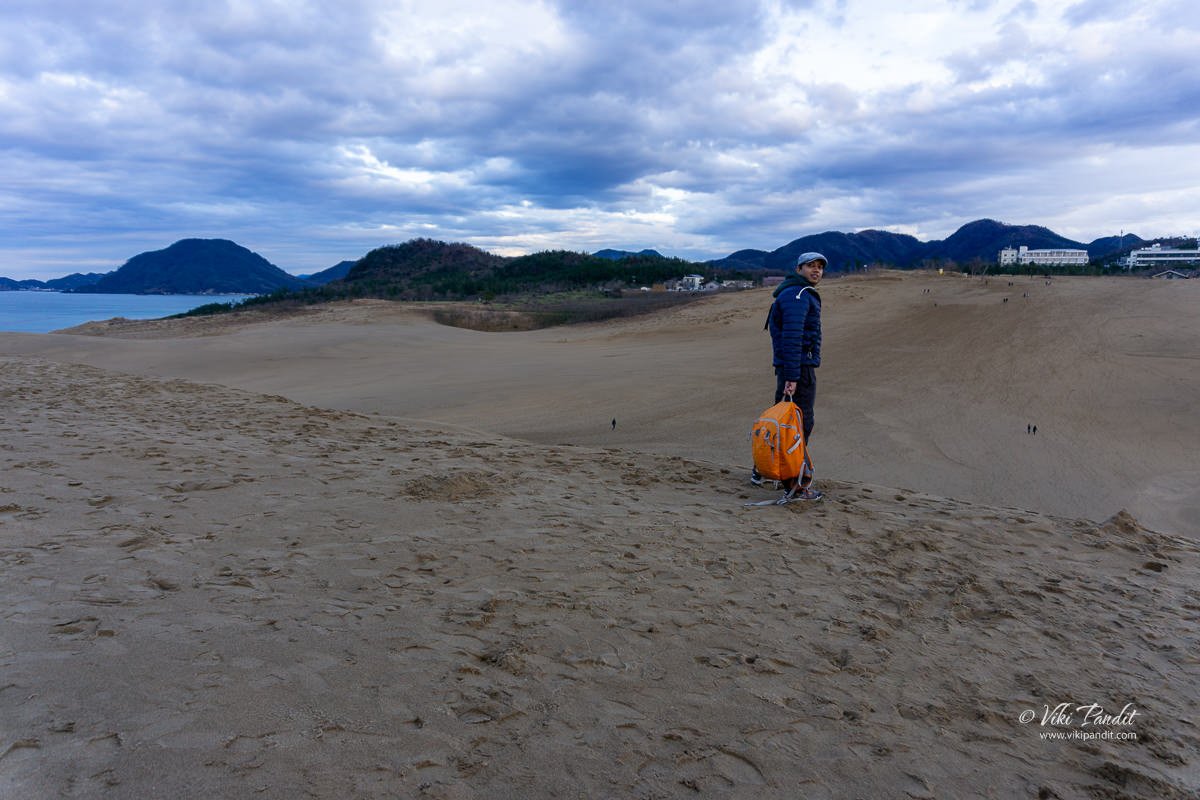
Ready to leave sand dunes of Tottori
Visitors gather near the bus stop, brushing sand from their shoes and cameras. Soon the bus arrived, carrying us back toward the lights of the city.
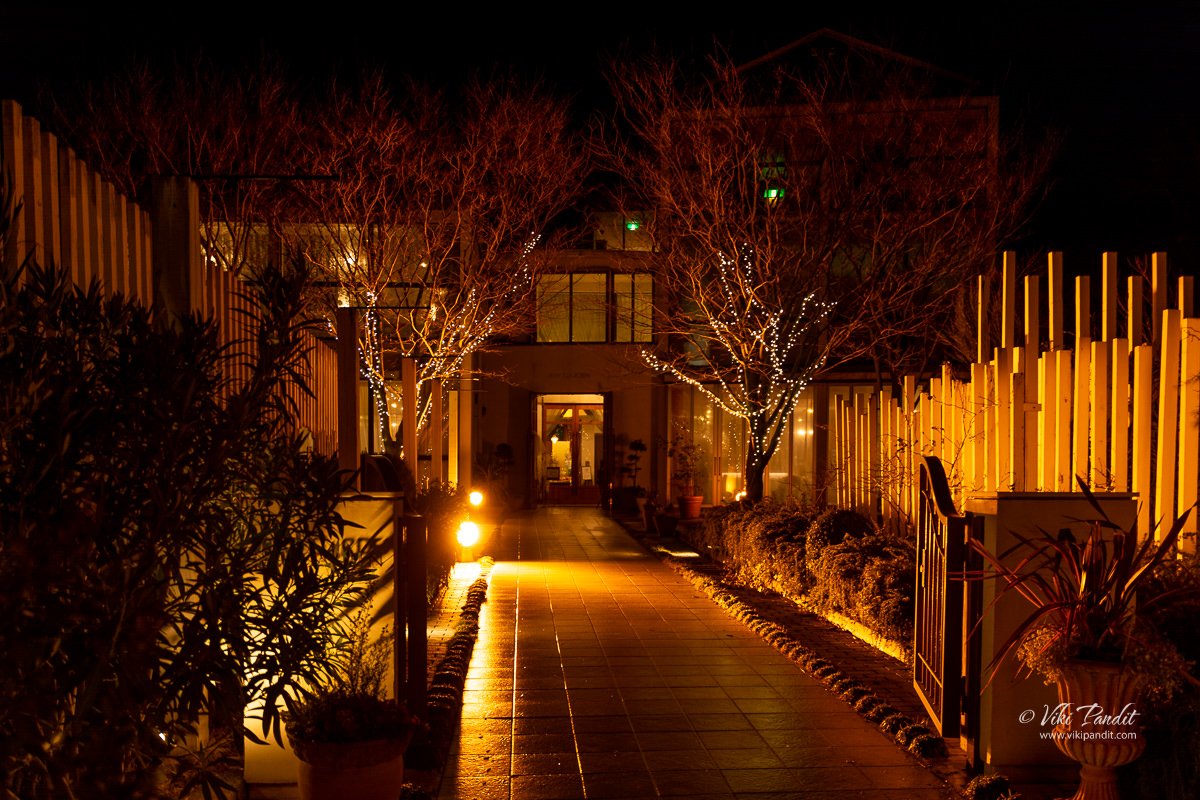
Waiting for bus in front of Ray Garden
If you are planning a trip to Tottori, Japan, the sand dunes are easily the most remarkable attraction in the region.
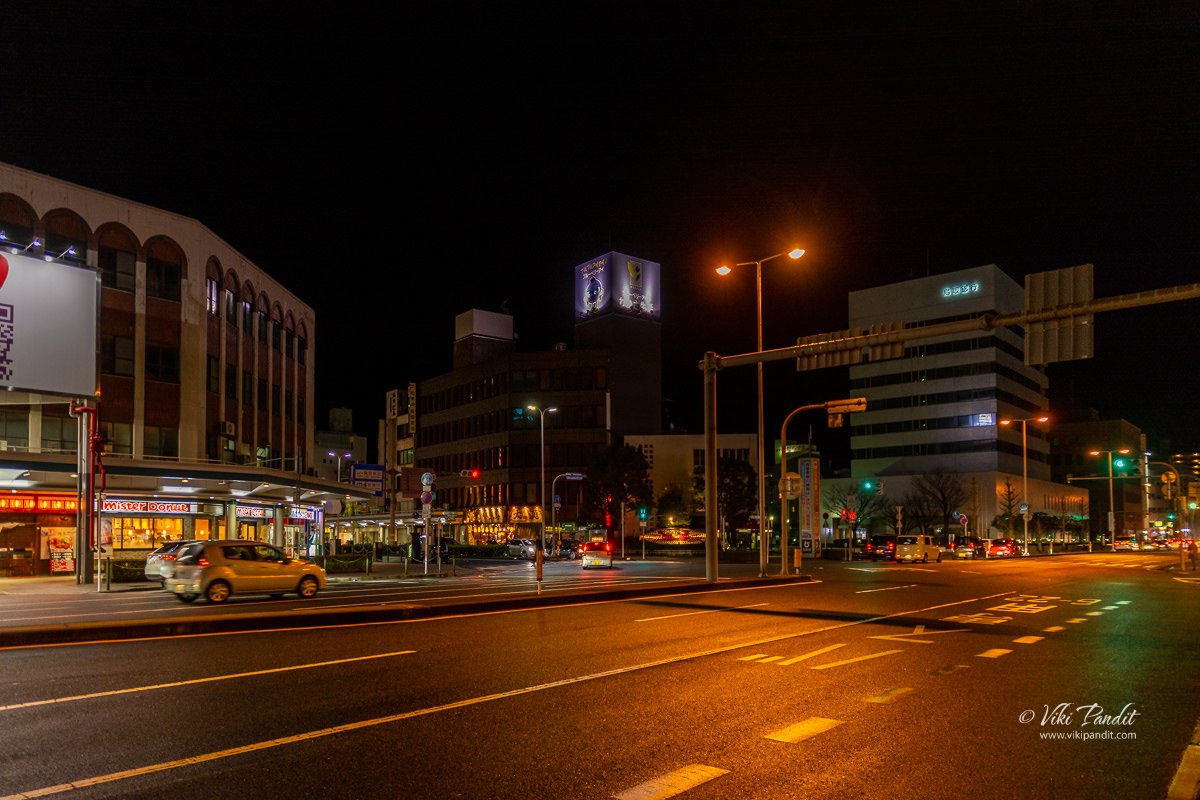
Walking to APA Hotel in Tottori
Located just a short distance from JR Tottori Station, the dunes are accessible by local bus or taxi and can be explored year-round. Visitors often spend a few hours walking across the dunes, climbing the famous Horseback Dune, and watching the sunset over the Sea of Japan.
Because of their unique desert-like terrain, the Tottori Sand Dunes remain one of the most distinctive natural landscapes in Japan.
Thanks for reading!
Disclaimer: The information presented in this article is based on the time I visited the premises. Note that there might be changes in the prices of merchandise and admission fees that might have occurred after this article was published. At times the facility might also be closed for repairs or for variety of other reasons. Kindly contact the facility or facilities mentioned in this article directly before visiting.
Usage of this site indicates acceptance of my Terms and Conditions.
Credits: The historical information presented herein is gathered mostly from local guides that were re-inforced via historical writings.